
ThePraisePat
September 20, 2025
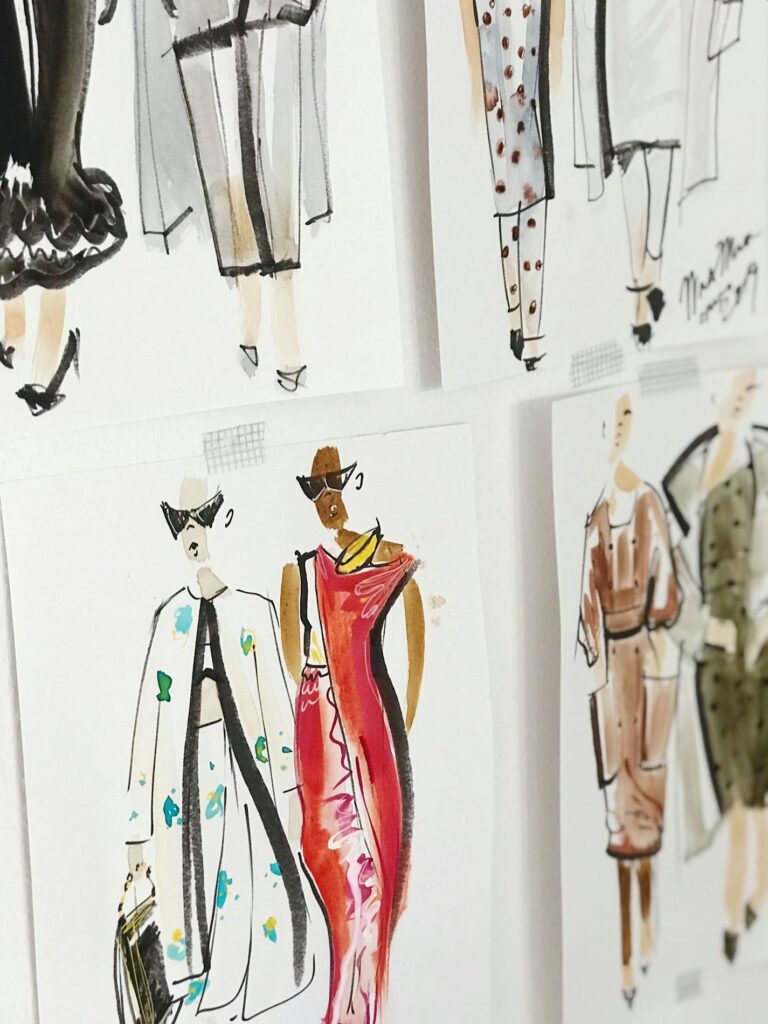
Every great design, from the most intricate couture gown to a simple, elegant silhouette, is built on a foundation of fundamental principles. These aren’t just rules to be followed; they are the tools that designers use to create harmony, balance, and visual impact. Mastering these principles is what separates a good idea from a truly exceptional one.
Here are the five core principles that guide the art of fashion design.
Balance in fashion design refers to the visual weight of a garment. This weight isn’t about physical mass, but rather the perceived heaviness of elements like colors, patterns, textures, and structural details. It’s about how the elements of a design are distributed to create a sense of equilibrium.
Symmetrical balance, also known as formal balance, is the most common form found in fashion. It is achieved when a garment’s elements are arranged identically on either side of a central axis. A classic button-down shirt, a pair of jeans, or a structured jacket are all examples of symmetrical balance. This type of balance creates a sense of stability, formality, and order. It’s reassuring to the eye and is often associated with traditional or timeless styles.
Asymmetrical balance, or informal balance, is achieved by distributing different elements of varying visual weight unevenly on each side of the central axis, while still maintaining overall equilibrium. Instead of a mirror image, this method uses contrasting elements to create a sense of balance. For example, a single-shoulder dress with a dramatic ruffle on one side is balanced by a simple, clean line on the other. This type of balance is more dynamic and modern, creating a sense of movement and visual interest. It challenges the eye and is often used to create unique, avant-garde designs.
A designer can achieve balance by carefully considering:
Placement: The position of pockets, seams, and embellishments.
Size: The scale of collars, lapels, or sleeves.
Color and Texture: Using a small patch of a bold color to balance a large area of a neutral tone.
Fabric: A heavy fabric on one side can be balanced by a lighter, flowing one on the other.
Proportion is a fundamental design principle that governs the relationship of parts to a whole and to each other. In fashion, it dictates how the various elements of a garment—such as collars, sleeves, hemlines, and pockets—relate to the overall silhouette and, most importantly, to the wearer’s body.
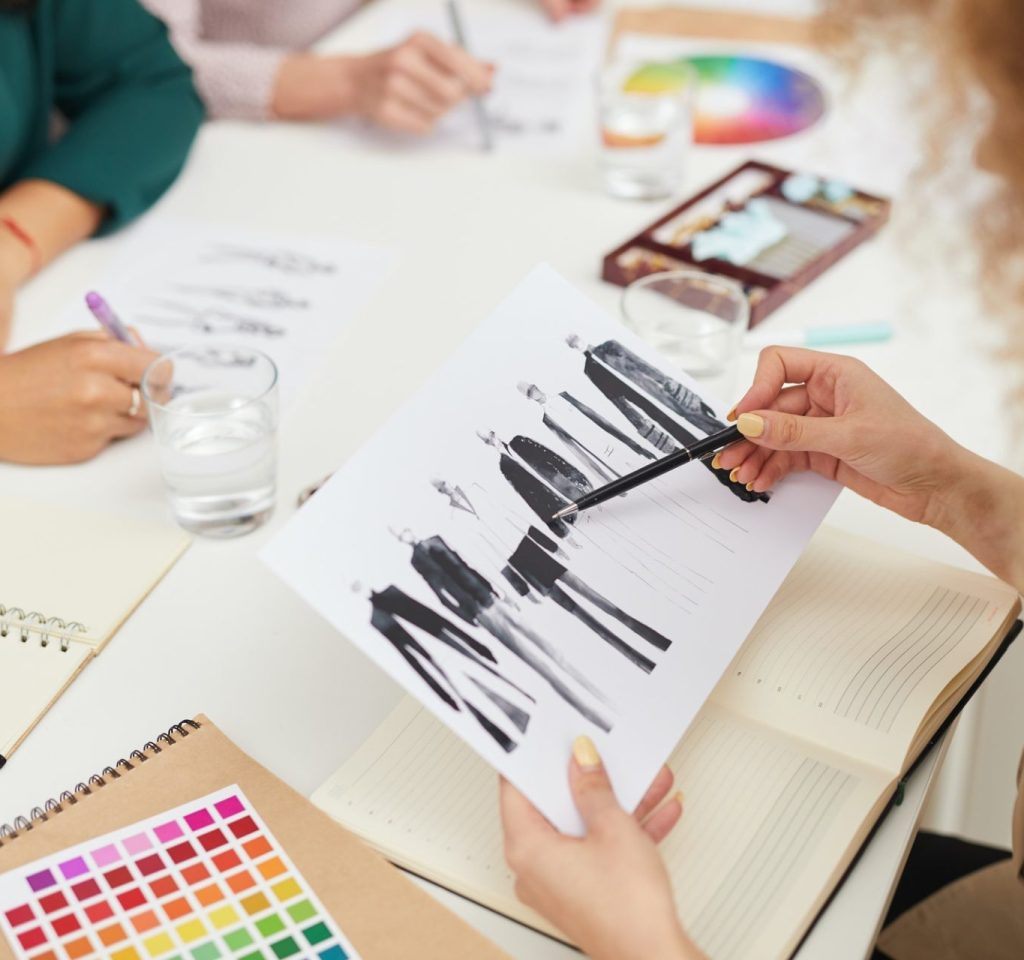
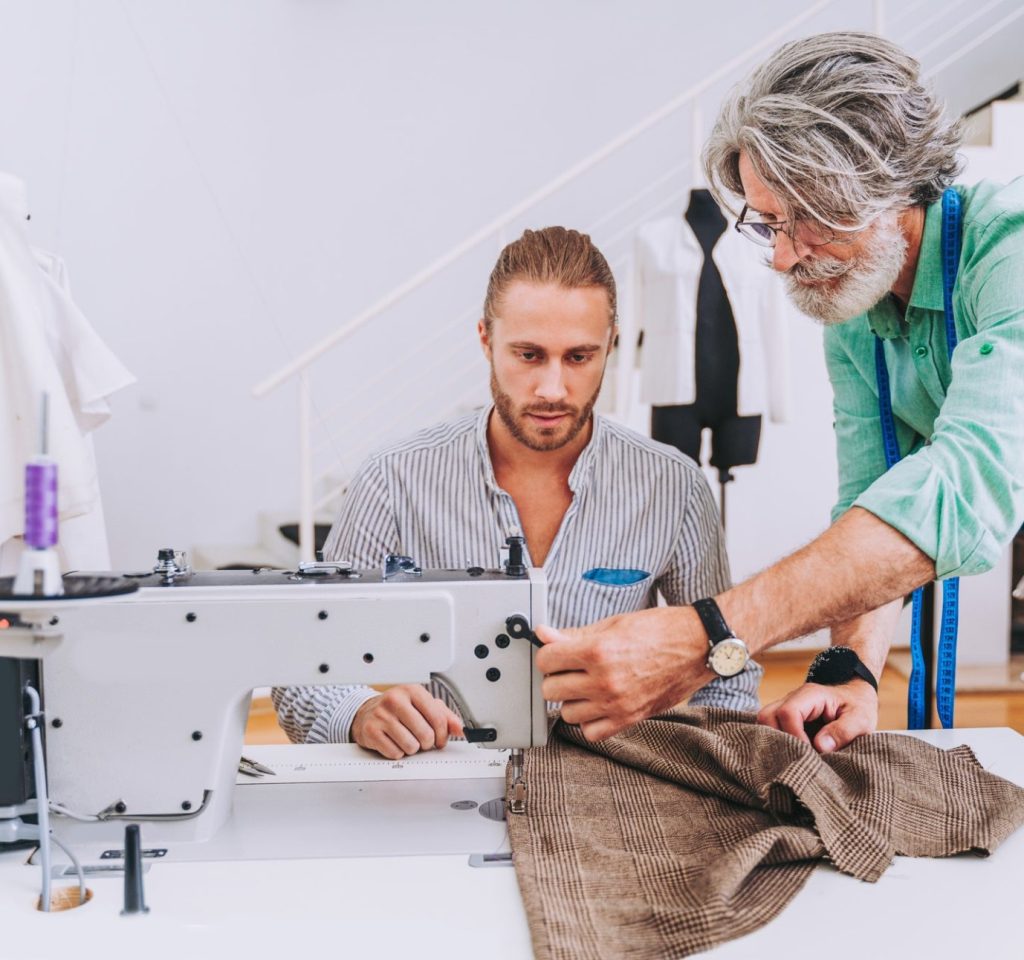
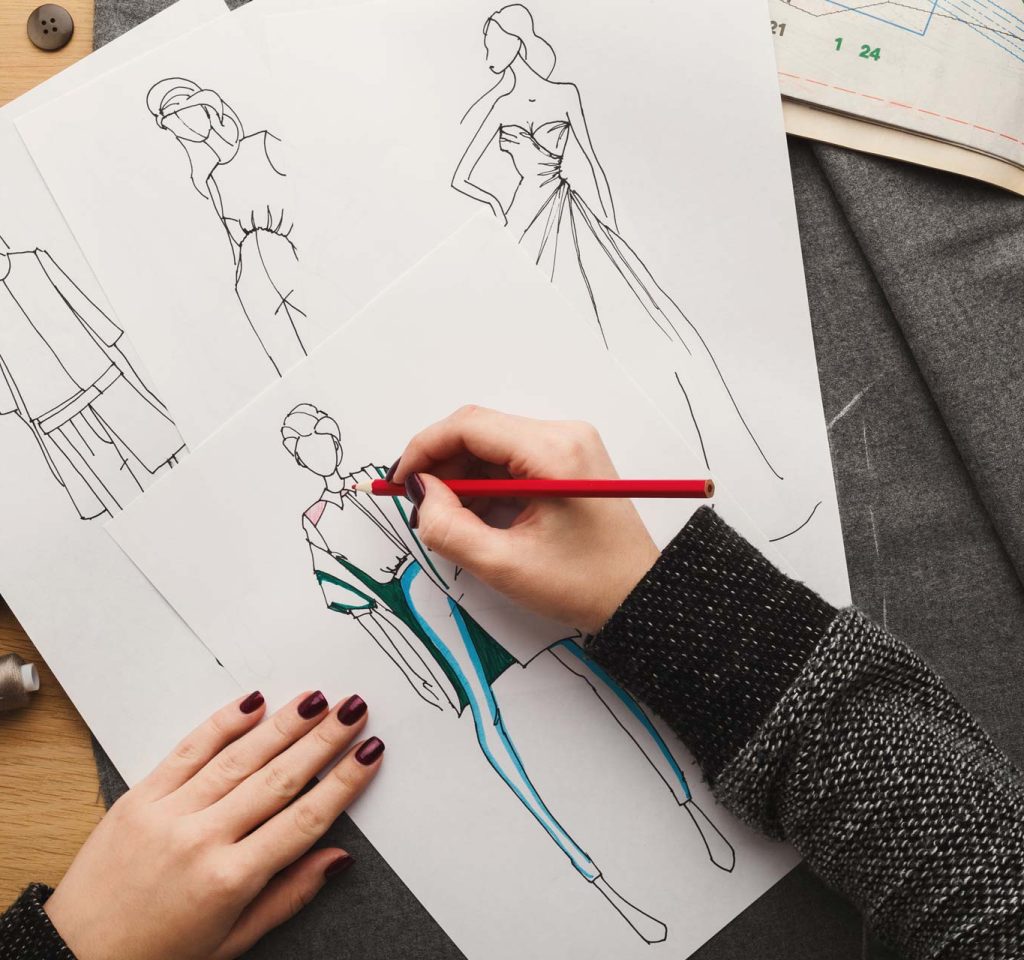
Proportion can be used to emphasize or minimize certain features, create a sense of scale, and guide the eye’s movement. A designer can manipulate proportion to:
Alter the silhouette: A cinched waist and a full skirt create a classic hourglass proportion, while an oversized blazer and tapered trousers can create a more modern, rectangular silhouette.
Create visual balance: A large, voluminous sleeve can be balanced by a streamlined body, preventing the design from looking top-heavy.
Lengthen or shorten the body: High-waisted pants can make legs appear longer, while a low-slung belt can visually shorten the torso.
The concept of the Golden Ratio (Φ≈1.618) is often cited in art and design as a guide for creating aesthetically pleasing proportions. While it’s a mathematical concept, it can be applied intuitively in fashion to create a sense of natural harmony. For example, a designer might use the Golden Ratio to determine the perfect length of a jacket relative to a skirt, or the ideal placement of a belt to create a pleasing division of the body.
Designers use several techniques to control and manipulate proportion:
Cut and Silhouette: The overall shape of the garment is the primary way to establish proportion. This includes the fit (fitted, loose, oversized) and the garment’s structure (A-line, straight, flared).
Placement of Details: The positioning of pockets, seams, and waistlines can dramatically change how the body is divided and perceived.
Scale of Elements: The size of individual features, like the width of a lapel or the size of a collar, must be in proportion to the garment as a whole. A large, oversized collar on a very small jacket would look disproportionate.
Fabric and Texture: Heavier fabrics can make an area appear larger and more prominent, affecting its visual proportion.
Our pattern-making services are specifically focused on mastering proportion. We ensure that every piece is precisely scaled and positioned to create a final garment that is perfectly balanced and flattering.
dapibus leo.
Rhythm in fashion design is the controlled movement of the eye through a garment, creating a sense of organized motion. It’s the visual equivalent of a musical beat, established through the repetition and progression of design elements. A garment with a strong rhythm feels dynamic and alive, guiding the viewer’s attention and adding a sense of energy and flow.
There are several ways a designer can create rhythm:
Repetition: This is the most straightforward method, involving the repeated use of a single element. Think of a row of identical buttons down the front of a coat, a series of evenly spaced pleats, or a dress with a repeating geometric print. The consistent recurrence of these elements creates a predictable and pleasing visual beat.
Progression: This type of rhythm is achieved by gradually increasing or decreasing the size, shape, or color of an element. An example would be a series of floral appliques that get progressively smaller as they move up a skirt, or a gradient color that fades from light to dark. This progression creates a sense of continuous motion and visual storytelling.
Radiation: In this technique, elements radiate outward from a central point, like spokes on a wheel. This creates a powerful, focused rhythm that draws the eye to a specific area. Common examples include pleats or gathers that emerge from a central waistline or a sunburst pattern.
Gradation: Similar to progression, gradation involves a gradual change in color, size, or direction. For instance, a series of ruffles that slowly increase in size as they descend a dress, or stripes that change in width. This creates a smooth, flowing rhythm that feels harmonious.
Transition: This is a subtle rhythm created by a continuous line or shape that smoothly guides the eye. The fluid line of a princess seam, for example, creates a graceful transition from the shoulder to the waist, adding an elegant rhythm to the garment’s silhouette.
Our 3D garment visualization services are particularly effective for demonstrating rhythm. They allow you to see how patterns and structural details flow and interact in a dynamic, moving model, ensuring your design has the perfect visual tempo before it is ever produced.
Emphasis, often referred to as a focal point, is the principle of design used to draw the viewer’s eye to a specific, dominant part of a garment. It’s the central idea or feature of the design—the part that grabs attention and holds it. A well-executed design often has a single, clear area of emphasis to avoid visual confusion and give the garment a clear narrative.
Emphasis can be created in numerous ways, playing with a variety of design elements:
Color: A single, vibrant color on a garment of otherwise muted tones instantly creates a focal point. For example, a bright red belt on an all-black dress.
Texture: The use of a dramatically different texture, such as a shaggy faux-fur vest on a sleek leather outfit, can be highly effective in drawing the eye. Similarly, intricate beadwork or embroidery on a plain fabric creates a point of interest.
Structure and Silhouette: An exaggerated element of the garment’s structure, such as oversized ruffles, a dramatic collar, or an unconventional shoulder pad, can become the primary focus of the design.
Ornamentation: Embellishments like a large, unique brooch, a distinctive set of buttons, or a heavily detailed neckline can serve as the focal point.
Pattern and Print: A bold or concentrated pattern on a specific part of a garment, such as the bodice, can create a powerful area of emphasis.
Contrast: Placing a dark element on a light background or vice versa can make that element stand out.
The use of emphasis is a designer’s way of communicating what is most important about their creation. It tells the story of the garment and showcases its most unique and beautiful feature.
Our fashion illustration and technical drawing services are essential for perfecting emphasis. Our illustrations can vividly highlight the intended focal point of your design, while our technical drawings ensure that the structural elements and embellishments are placed with precision to achieve the desired effect.
Unity, also known as harmony, is the most crucial of all design principles. It is the quality that makes all the individual parts of a garment feel like they belong together, creating a sense of wholeness and completeness. Unity ensures that the design is not just a collection of separate elements but a cohesive, integrated work of art.
Unity is achieved when all elements—including color, texture, silhouette, and the other four principles of balance, proportion, rhythm, and emphasis—work together without any single element feeling out of place or competing for attention. It’s the final touch that makes a garment feel intentional and well-thought-out.
Without unity, a design can feel disjointed or chaotic. For example, a garment with too many focal points, clashing colors, or competing textures will lack a unified feel. The eye doesn’t know where to rest, and the message of the design becomes unclear.
Designers employ several techniques to create unity:
Repetition of a Theme: Repeating a specific design element, such as a motif, a color, or a type of trim, throughout a garment or an entire collection. For example, using the same type of button on a jacket, trousers, and a waistcoat creates a sense of unity across the pieces.
Consistency of Style: All elements should align with a specific aesthetic. A sleek, minimalist dress with a complex, ornate collar would lack unity.
Dominant Element: Creating a primary element that everything else supports. For example, a dramatic, voluminous skirt may be the dominant element, with the simple bodice and sleeves serving to support and harmonize the overall silhouette.
Color and Texture Harmony: Using a limited and well-chosen color palette and a consistent use of texture ensures all parts look like they belong together.
Our end-to-end design process is entirely focused on achieving unity. We guide you through every stage, from initial concept to final patterns, ensuring that every element—from the overall silhouette to the smallest embellishment—works in perfect harmony. We help you create a final garment that is not only beautiful but also a complete and powerful statement.
By understanding and applying these five principles—Balance, Proportion, Rhythm, Emphasis, and Unity—designers can move beyond simple aesthetics to create a cohesive and impactful collection. These principles are the universal language of design, serving as your foundation for transforming a creative spark into a powerful, harmonious, and beautiful garment.